Identifying, explaining, and responding to proliferator-state hybrid threats.
Balkan Security Network supports partners working at the intersection of counterproliferation, hybrid threats, strategic communication, and regional security. Our work helps move complex findings from detection to awareness, exposure, resilience, and response.

What We Do
We help partners turn complex security risks into usable analysis, briefings, trainings, stakeholder engagement, and public facing products. Our work is grounded in firsthand implementation experience across Southeast Europe and is designed for public institutions, experts, media, and civil society partners.
Counterproliferation and Sanctions Risk
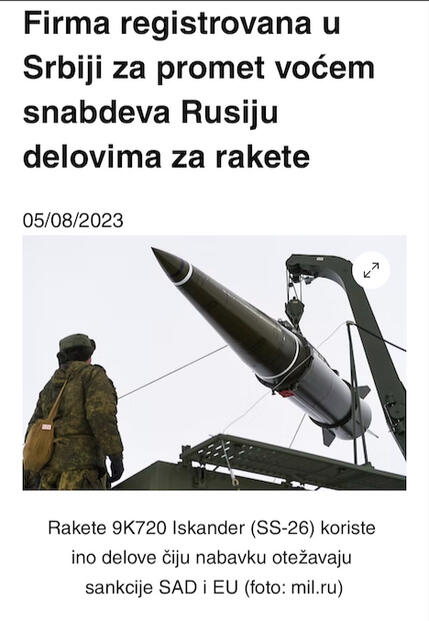
Research and analysis on proliferator state procurement, sanctions evasion, dual use goods, logistics pathways, ownership structures, and network exposure.
ACW and Supply Chain Risk
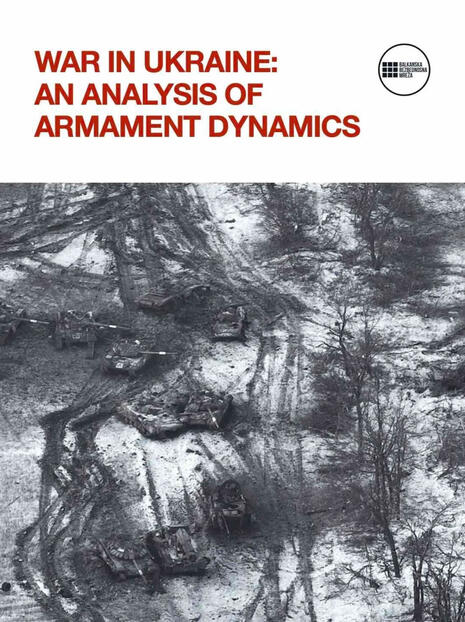
Assessment of advanced conventional weapons dependencies, sustainment vulnerabilities, supply chain exposure, and diversification challenges.
Strategic Communication and Stakeholder Response
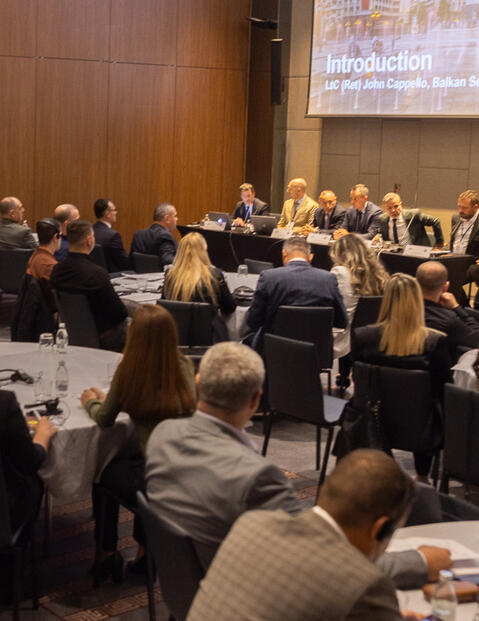
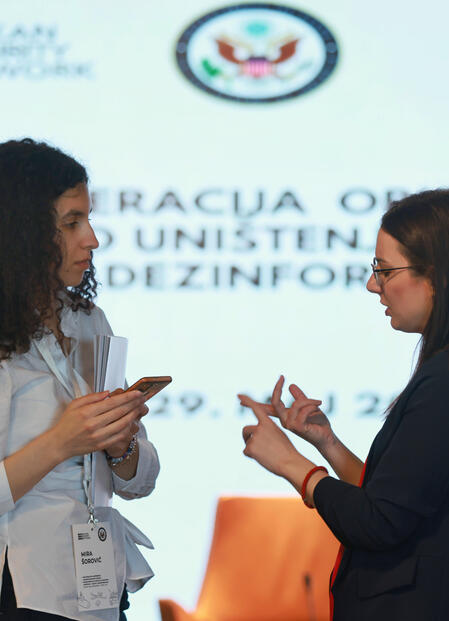
Translation of technical findings into clear briefings, workshops, narratives, and engagement formats that support institutional awareness, media understanding, and partner action.

Who We Are
Balkan Security Network is a practitioner-led platform combining strategic communication, media analysis, regional security expertise, and senior defense diplomacy experience. Our core team brings firsthand experience from government-facing projects, international security programming, public communication, and field-informed analysis.Balkan Security Network is operated by Удружење Евроатлантска иницијатива"" (Euro-Atlantic Initiative), a registered Serbian nonprofit association founded in 2005.Registration number / Charity ID: 17626647
Tax ID / PIB: 103825783
Registered address: Bulevar oslobodjenja 303, Belgrade, Serbia.Balkan Security Network is not a separate legal entity; it is the main public-facing platform of Удружење Евроатлантска иницијатива. Balkansecurity.org is the organization’s only active and primary domain, used for its nonprofit publishing, analysis, public communication, partner communication, administration, and organizational email.
Contact Us
Suffern, New York 10901, United StatesĐorđa Radojlovića 21, Belgrade, Serbia
Track Record
Selected work includes U.S. Department of State and CRDF supported programming on advanced conventional weapons, nonproliferation, stakeholder engagement, and strategic communications; NATO StratCom CoE research on Kremlin information warfare in the Western Balkans; expert briefings for European Parliament audiences and the European Centre of Excellence for Countering Hybrid Threats; multilingual monitoring and information environment analysis; and OSINT based research on proliferator state linked PMCs, proxy networks, and foreign fighter mobilization.
